
Introduction
With rapid growth in electronics, PCB (Printed Circuit Board) Design has become one of the most in-demand skills in the core engineering industry. From consumer electronics to automotive and medical devices, PCB designers play a critical role in product development.
What Is PCB Design?
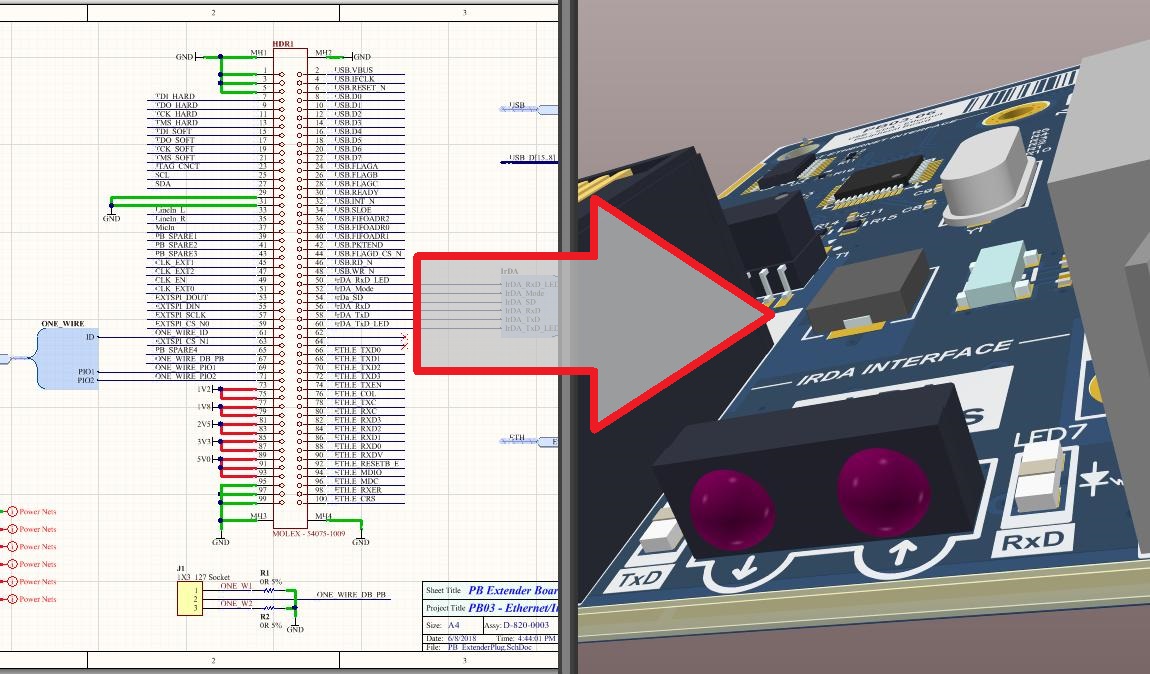
PCB Design is the process of designing circuit boards that electrically connect electronic components. It involves schematic design, layout creation, routing, signal integrity, and manufacturing readiness.
Tools You Will Learn
Altium Designer
Cadence Allegro
OrCAD
Basic Hardware Design Concepts
Career Opportunities
PCB Design Engineer
Hardware Design Engineer
Electronics Design Engineer
R&D Engineer
Why PCB Design Is a High-Value Skill
Strong demand in electronics & embedded industries
Suitable for freshers and career gap candidates
Less competition compared to software-only roles
Opportunity to work on real-time hardware products
Who Should Learn PCB Design?
Electronics & Electrical students
Final-year engineering students
Fresh graduates
Professionals looking to switch to core electronics
Why Choose Practical Training?
Industry requires hands-on experience, not just theory. A practical PCB course helps students understand real-world design challenges, industry standards, and tool usage.
Looking to build a career in PCB Design?
Contact us on WhatsApp: 8637499148 to know more about training & internship opportunities.