hivitechnology.com

High Paying Jobs in 2025

Title: The Best Online Courses in 2025 to Secure High-Paying Jobs In today’s rapidly evolving job market, staying ahead requires not just skills but the right kind of expertise. Online courses have become a pivotal gateway to acquiring in-demand skills and securing high-paying jobs. As we navigate through 2025, here’s a curated list of online courses poised to lead you towards lucrative career opportunities: 1. Data Science and Machine Learning Course Provider: hivitechnology.com Why it’s Hot: With data becoming the new oil, professionals skilled in data science and machine learning are in high demand across industries like finance, healthcare, and tech. Courses cover everything from data analysis and predictive modeling to deep learning and AI applications. Career Outlook: Data Scientists, Machine Learning Engineers, AI Specialists 2. Software Development (Full Stack) Course Provider: Udemy, Pluralsight, Codecademy Why it’s Hot: Full-stack developers proficient in both front-end and back-end technologies are indispensable. Courses typically include web development frameworks, databases, and deployment strategies. Career Outlook: Full Stack Developers, Software Engineers, DevOps Engineers 3. Cybersecurity Course Provider: Hivi Technology Why it’s Hot: As cyber threats escalate, organizations prioritize cybersecurity experts to safeguard their data and systems. Courses cover ethical hacking, network security, and incident response. Career Outlook: Information Security Analysts, Cybersecurity Consultants, Ethical Hackers 4. Digital Marketing Course Provider: Google Digital Garage, HubSpot Academy, Udacity Why it’s Hot: In the digital age, businesses need experts who can navigate SEO, PPC advertising, social media marketing, and analytics to drive growth. Career Outlook: Digital Marketing Managers, SEO Specialists, Social Media Strategists 5. Blockchain and Cryptocurrency Course Provider: Coursera, Udemy, Binance Academy Why it’s Hot: Blockchain’s decentralized nature is disrupting industries from finance to supply chain management. Courses cover blockchain development, smart contracts, and cryptocurrency economics. Career Outlook: Blockchain Developers, Cryptocurrency Analysts, Smart Contract Developers 6. Artificial Intelligence and Robotics Course Provider: Udacity, Stanford Online, MIT OpenCourseWare Why it’s Hot: AI and Robotics are transforming industries with applications in automation, autonomous vehicles, and healthcare. Courses delve into neural networks, reinforcement learning, and robotic engineering. Career Outlook: AI Engineers, Robotics Specialists, Automation Engineers Investing in these online courses not only enhances your skills but also positions you at the forefront of industries driving the future economy. Whether you’re looking to switch careers or advance within your current field, the right course can pave the way to a high-paying job in 2025 and beyond. Embrace the learning journey and seize the opportunities that await in the digital age. Conclusion

High Paying Jobs in 2025 Read More »
pcb design

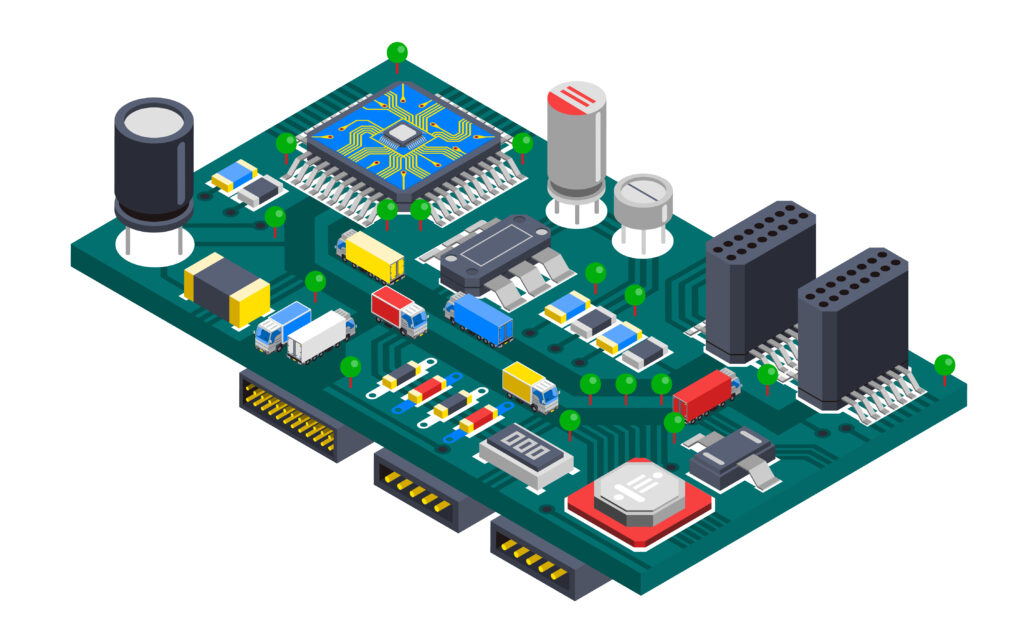
What is PCB Design (Altium)?

Mastering PCB Design in Altium: A Gateway to Lucrative Career Opportunities In the realm of electronics and engineering, mastering PCB (Printed Circuit Board) design is a crucial skill that opens up a world of career opportunities. Among the various software tools available for PCB design, Altium Designer stands out for its robust features and widespread industry adoption. If you’re considering a career in PCB design, understanding Altium Designer and its implications can significantly boost your prospects, both professionally and financially. Why Altium Designer? Altium Designer is renowned for its user-friendly interface and powerful design capabilities, making it a preferred choice among PCB designers worldwide. Whether you’re designing a simple single-layer board or a complex multi-layered PCB, Altium’s intuitive tools streamline the design process, allowing for efficient schematic capture, component placement, routing, and simulation. Skills Required for Success To excel in PCB design using Altium, familiarity with basic electronics principles is essential. Proficiency in schematic capture, PCB layout, and knowledge of design rules are fundamental. Additionally, understanding signal integrity, electromagnetic interference (EMI), and thermal management enhances the quality and reliability of your designs. Career Outlook and Salary Expectations Entering the field of PCB design as a fresher offers promising career prospects. Salaries for entry-level PCB designers can vary based on factors such as location, industry, and level of expertise. On average, a fresher in PCB design can expect to earn competitive salaries, often ranging from $50,000 to $70,000 annually in regions like North America and Europe. As you gain experience and specialize in advanced techniques like high-speed PCB design or RF (Radio Frequency) design, salary prospects tend to increase significantly. Industry Demand and Growth Opportunities The demand for skilled PCB designers continues to rise, driven by advancements in technology across sectors such as telecommunications, consumer electronics, automotive, and aerospace. Professionals proficient in Altium Designer are particularly sought after due to its widespread adoption in industry-leading companies. Conclusion Mastering PCB design using Altium Designer not only equips you with a valuable skill set but also positions you for a rewarding career in the electronics industry. With competitive salaries, abundant career opportunities, and continuous technological advancements, PCB design remains a dynamic and promising field for aspiring engineers and designers alike. Whether you’re embarking on your career journey or seeking to enhance your skills, delving into Altium Designer and PCB design opens doors to a fulfilling and prosperous professional future. Learn PCB Design with Altium at HIVI Technology – Your Path to a High-Paying Career Are you looking to build a career in PCB design? HIVI Technology offers a comprehensive PCB Design Course using Altium Designer, designed to equip students and professionals with the skills needed to excel in the electronics industry. Why Choose HIVI Technology for PCB Design Training? What is Altium Designer & Why Should You Learn It? Altium Designer is one of the most widely used PCB design tools in the industry, known for its user-friendly interface and advanced features. By mastering Altium, you will be prepared to design complex circuits for industries such as consumer electronics, telecommunications, automotive, and aerospace. Career & Salary Outlook for Freshers As a fresher in PCB design, you can expect competitive starting salaries. Depending on location and industry, entry-level salaries range from: With experience and expertise in advanced PCB design techniques, your salary can significantly increase over time. Enroll Today & Start Your Journey in PCB Design Whether you’re a student, electronics enthusiast, or a professional looking to upskill, HIVI Technology provides the perfect platform to master PCB design in Altium. Take the first step toward a rewarding career in the electronics industry today! For more details, course structure, and enrollment information, visit our website www.hivitechnology.com or contact us directly.

What is PCB Design (Altium)? Read More »

Best IT Course Training Institute in Bangalore

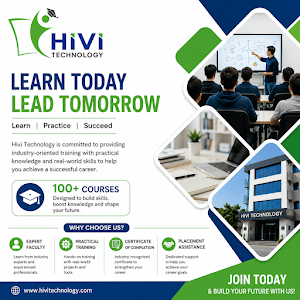
Hivi Technology is a prominent online training institute in India, specializing in IT and software courses. With a comprehensive catalog of over 100 courses, Hivi Technology caters to a wide range of learners, including freshers, working professionals, and individuals from non-IT backgrounds. Course Offerings and Specializations Hivi Technology offers a diverse array of courses across various IT domains, including: **Programming Languages**: Python, Java, C#, C++, Swift, and more. **Web Development**: HTML, CSS, JavaScript, React.js, Angular, Node.js, and Vue.js. **Cloud Computing**: AWS, Microsoft Azure, Google Cloud Platform, and Oracle Cloud Infrastructure. **Database Management**: MySQL, MongoDB, and SQL. **Software Testing**: Manual Testing, Automation Testing. **Other Technologies**: DevOps, Cyber Security, Digital Marketing, PCB Design, and more【6†source】【7†source】. Training Approach and Features Hivi Technology emphasizes a flexible and student-centric approach, providing customizable course modules and flexible timings to accommodate different schedules. Their training methodology includes: **Live Sessions**: Interactive live classes to ensure real-time engagement and learning. **1:1 Training**: Personalized training sessions to address individual learning needs. **Project Support**: Hands-on projects to apply theoretical knowledge in practical scenarios. **Professional Mentors**: Guidance from experienced industry professionals. **Lifetime Support**: Continuous support and access to resources even after course completion【5†source】【8†source】. Additional Benefits Students at Hivi Technology also benefit from: **Free Demo Sessions**: Prospective students can try out courses before committing. **Certification**: Recognized certificates upon course completion. **Job Assistance**: Help with resume preparation and job placement support. **Customer Support**: 24/7 customer support to address any issues or queries【7†source】【8†source】. Reputation and Reviews Hivi Technology has trained over 250 international professionals, reflecting its global reach and impact. The institute is praised for its knowledgeable instructors, practical training approach, and comprehensive course content【5†source】【7†source】. For more information, you can visit Hivi Technology’s [official website](https://hivitechnology.com/) and explore their course offerings and training programs.

Best IT Course Training Institute in Bangalore Read More »

What is Python Programming?

Hivi Technology Introduction: Python has emerged as one of the most popular programming languages in the world, celebrated for its simplicity, versatility, and readability. Whether you’re a seasoned developer or a novice coder, Python offers a rich ecosystem of tools and libraries that make it ideal for a wide range of applications—from web development and data analysis to machine learning and artificial intelligence. In this blog, we’ll embark on a journey to explore the ins and outs of Python programming, uncovering its key features, best practices, and real-world applications. Chapter 1: Getting Started with Python Let’s start with the basics. In this chapter, we’ll cover everything you need to know to get started with Python programming. From setting up your development environment and writing your first “Hello, World!” program to understanding Python’s syntax and data types, we’ll provide a solid foundation for your Python journey. Whether you’re coming from another programming language or starting from scratch, Python’s gentle learning curve makes it easy to pick up and start coding. Chapter 2: Essential Python Concepts In this chapter, we’ll delve deeper into some of the essential concepts that make Python such a powerful language. We’ll explore topics such as variables and data structures (lists, tuples, dictionaries), control flow (if statements, loops), functions, and object-oriented programming. Understanding these fundamental concepts is key to writing clean, efficient, and maintainable Python code. We’ll provide plenty of examples and exercises to help reinforce your understanding along the way. Chapter 3: Pythonic Idioms and Best Practices Python has a rich set of idioms and best practices that help make code more readable, maintainable, and efficient. In this chapter, we’ll explore some of these Pythonic principles, such as list comprehensions, generator expressions, context managers, and duck typing. We’ll also discuss the importance of following PEP 8 (Python Enhancement Proposal 8), which outlines guidelines for writing clean and consistent Python code. By embracing Pythonic idioms and best practices, you’ll become a more proficient and effective Python programmer. Chapter 4: Working with Libraries and Packages One of the great strengths of Python is its extensive ecosystem of third-party libraries and packages. In this chapter, we’ll explore some of the most popular libraries for various tasks, including NumPy and pandas for data analysis, Matplotlib and Seaborn for data visualization, Flask and Django for web development, TensorFlow and PyTorch for machine learning, and many more. We’ll discuss how to install and use these libraries in your projects, as well as strategies for managing dependencies and virtual environments. Chapter 5: Python for Data Analysis and Visualization Data analysis and visualization are among the most common tasks performed with Python. In this chapter, we’ll focus on how to use Python for these purposes, leveraging libraries such as NumPy, pandas, Matplotlib, and Seaborn. We’ll cover topics such as loading and manipulating data, performing basic statistical analysis, creating various types of plots and charts, and presenting your findings effectively. Whether you’re a data scientist, business analyst, or researcher, Python’s powerful data analysis and visualization capabilities are sure to impress. Chapter 6: Python for Web Development Python is also a popular choice for web development, thanks to frameworks like Flask and Django. In this chapter, we’ll explore how to use Python to build dynamic and interactive web applications. We’ll cover topics such as handling HTTP requests and responses, routing requests to the appropriate handlers, rendering templates, working with databases, and deploying your web applications to production servers. Whether you’re building a simple blog or a complex e-commerce site, Python’s versatility and ease of use make it an excellent choice for web development projects. Chapter 7: Python for Machine Learning and Artificial Intelligence Machine learning and artificial intelligence are hot topics in today’s tech world, and Python is at the forefront of these fields. In this chapter, we’ll explore how to use Python for machine learning and AI tasks, leveraging libraries such as scikit-learn, TensorFlow, and PyTorch. We’ll cover topics such as building and training machine learning models, evaluating model performance, and deploying machine learning solutions in real-world applications. Whether you’re interested in predictive modeling, natural language processing, computer vision, or reinforcement learning, Python has you covered. Chapter 8: Advanced Python Topics In this final chapter, we’ll dive into some more advanced topics and techniques for Python programming. We’ll explore topics such as concurrency and parallelism, asynchronous programming with asyncio, metaprogramming, and extending Python with C/C++ extensions. We’ll also discuss debugging and profiling techniques for optimizing the performance of your Python code. By mastering these advanced topics, you’ll be well on your way to becoming a Python expert. Conclusion: Congratulations! You’ve completed our comprehensive guide to Python programming. Whether you’re just starting out or looking to level up your skills, Python offers endless possibilities for creativity, innovation, and problem-solving. From web development and data analysis to machine learning and artificial intelligence, Python is the language of choice for developers around the world. So what are you waiting for? Start coding with Python today and unlock the power of programming excellence! View 100+ Courses

What is Python Programming? Read More »

What is Data Science ?

Hivi Technology Introduction: Welcome to the age of data! In today’s interconnected world, data is generated at an unprecedented rate, shaping how we live, work, and interact with the world around us. At the heart of this data revolution lies the field of data science—a powerful discipline that enables us to extract knowledge and insights from vast and complex datasets. In this blog, we will embark on a journey to unravel the mysteries of data science, exploring its principles, methodologies, and real-world applications. Chapter 1: What is Data Science? Let’s start at the beginning by understanding what data science is all about. Data science is an interdisciplinary field that combines elements of mathematics, statistics, computer science, and domain expertise to extract actionable insights from data. It involves a systematic approach to collecting, cleaning, analyzing, and interpreting data to uncover patterns, trends, and relationships. From predicting customer behavior to optimizing business processes, data science has a wide range of applications across various industries. Chapter 2: The Data Science Process Data science is not just about crunching numbers—it’s a holistic process that involves multiple stages. We’ll dive into each step of the data science process, from defining the problem and collecting data to building models and deploying solutions. Along the way, we’ll discuss the importance of data wrangling, exploratory data analysis, feature engineering, model selection, and evaluation. By following a structured approach, data scientists can turn raw data into actionable insights that drive informed decision-making. Chapter 3: Tools of the Trade In this chapter, we’ll explore the essential tools and technologies used in data science. From programming languages like Python and R to libraries and frameworks such as Pandas, NumPy, and scikit-learn, there’s a rich ecosystem of tools available to data scientists. We’ll also discuss data visualization tools like Matplotlib and Seaborn, which help us communicate insights effectively. Additionally, we’ll touch upon big data technologies like Apache Hadoop and Spark, which enable us to analyze massive datasets efficiently. Chapter 4: Machine Learning and Artificial Intelligence Machine learning is at the core of data science, empowering us to build predictive models and make data-driven decisions. We’ll delve into the fundamentals of machine learning, exploring supervised learning, unsupervised learning, and reinforcement learning techniques. From linear regression and decision trees to deep learning and neural networks, we’ll cover a wide range of algorithms and their applications. We’ll also discuss the role of artificial intelligence in data science and its potential to transform industries. Chapter 5: Real-World Applications Data science isn’t just a theoretical concept—it’s a powerful tool that’s driving innovation across industries. In this chapter, we’ll explore real-world applications of data science in areas such as healthcare, finance, marketing, and cybersecurity. From diagnosing diseases and detecting fraud to personalizing recommendations and optimizing supply chains, data science is revolutionizing how businesses operate and how we interact with technology. Through case studies and examples, we’ll showcase the impact of data science on society. Chapter 6: Challenges and Ethical Considerations While data science offers tremendous opportunities, it also comes with its fair share of challenges and ethical considerations. We’ll discuss issues such as data privacy, bias in algorithms, and the responsible use of AI. We’ll explore strategies for mitigating bias and ensuring fairness in data-driven decision-making. As data scientists, it’s essential to be mindful of the ethical implications of our work and strive to use data science for the greater good. Conclusion: As we conclude our journey into the world of data science, one thing becomes clear: data science is more than just a buzzword—it’s a transformative force that’s reshaping our world. Whether you’re a seasoned data scientist or someone curious about the field, there’s never been a better time to explore the exciting possibilities of data science. So let’s embrace the power of data and continue our quest for knowledge, insights, and innovation. The future of data science is bright, and the possibilities are endless! View 100+ Courses

What is Data Science ? Read More »

What is AI ?

What is AI? Introduction Artificial Intelligence AI has been a word in various industries, but what exactly does it entail? Let’s delve into the world of AI and explore its significance. Understanding AI * AI refers to the simulation of human intelligence processes by machines, involving tasks such as learning, reasoning, and problem-solving.* It encompasses various technologies like Machine Learning, Natural Language Processing (NLP), and Computer Vision. Applications of AI * AI is utilized in diverse fields including healthcare, finance, transportation, and entertainment.* In healthcare, AI aids in diagnosing diseases, predicting patient outcomes, and personalizing treatment plans.* In finance, AI powers algorithmic trading, fraud detection, and personalized banking services.* In transportation, AI enables self-driving cars, traffic prediction, and route optimization.* In entertainment, AI is behind content recommendations, virtual assistants, and personalized marketing strategies. Benefits of AI * AI enhances efficiency, accuracy, and speed in completing tasks.* It allows for better decision-making, predictive analysis, and automation of repetitive tasks.* AI can bring about cost-savings, improved customer experiences, and innovative solutions to complex problems. Challenges of AI * Ethical considerations like bias, privacy concerns, and job displacements are major challenges in the AI landscape.* Ensuring accountability, transparency, and fairness in AI algorithms is crucial to mitigate these challenges. Conclusion In conclusion, AI is a powerful tool that has revolutionized various industries, offering unparalleled benefits. However, it also comes with ethical considerations that need to be addressed for responsible AI development and deployment. Remember, AI is not just a futuristic concept; it is already a part of our daily lives, shaping the way we work, communicate, and make decisions. Let’s embrace AI responsibly and leverage its potential for a brighter future. View 100+ Courses

What is AI ? Read More »

Best IT Course Training Academy in India

Unveiling the Excellence of Hivi Technology: Your Gateway to IT Mastery In the bustling landscape of India’s IT education, where myriad institutes vie for attention, there shines a beacon of excellence that transcends the ordinary. Welcome to Hivi Technology, where the pursuit of IT mastery meets unparalleled dedication to student success. What Sets Hivi Technology Apart? In a sea of options, Hivi Technology stands tall as a premier IT software training institute, distinguished by its unwavering commitment to quality, innovation, and student-centric learning. Here’s what sets us apart: Comprehensive Curriculum: At Hivi Technology, we believe in equipping our students with more than just technical skills; we empower them with holistic knowledge that transcends mere coding. Our comprehensive curriculum covers a wide spectrum of IT domains, from programming languages and frameworks to database management, cloud computing, cybersecurity, and beyond. Whether you’re a novice or a seasoned professional, our courses cater to learners of all levels, ensuring a pathway to success for everyone. Industry-Relevant Training: In the ever-evolving landscape of IT, staying ahead of the curve is paramount. That’s why our courses are meticulously crafted to align with industry trends, best practices, and emerging technologies. With hands-on projects, real-world case studies, and interactive sessions led by industry experts, we bridge the gap between theoretical knowledge and practical application, preparing our students to thrive in the dynamic IT ecosystem. Expert Faculty: At the heart of Hivi Technology lies our greatest asset: our faculty. Comprising seasoned professionals, industry veterans, and certified instructors, our faculty brings a wealth of experience and expertise to the classroom. With their guidance, mentorship, and personalized attention, students receive not just instruction but invaluable insights, career advice, and mentorship that propel them towards success. State-of-the-Art Infrastructure: Learning thrives in an environment that fosters creativity, collaboration, and innovation. That’s why Hivi Technology boasts state-of-the-art infrastructure equipped with cutting-edge technology, modern amenities, and collaborative spaces conducive to learning. Our labs are equipped with the latest software, hardware, and tools, providing students with a hands-on learning experience that mirrors real-world environments. Placement Assistance: At Hivi Technology, our commitment to student success extends beyond the classroom. Through our dedicated placement cell, we facilitate internship opportunities, job placements, and career guidance services to help our students kickstart their careers in the IT industry. From resume building and interview preparation to networking events and job fairs, we empower our students to seize lucrative opportunities and embark on fulfilling career journeys. Join the Hivi Technology Revolution Whether you’re a aspiring IT professional, a career changer, or an industry veteran looking to upskill, Hivi Technology welcomes you to embark on a transformative learning journey. With our unmatched quality, industry relevance, and unwavering commitment to student success, we are not just an institute; we are a community of learners, innovators, and trailblazers shaping the future of IT. Join us at Hivi Technology and unleash your potential in the dynamic world of IT mastery.

Best IT Course Training Academy in India Read More »

Best Solid Works Online Course

Title: The Future of SolidWorks Design: Job Prospects in 2025 In the dynamic realm of engineering and product design, staying ahead of the curve is not just advantageous but essential. As we approach 2025, the demand for skilled professionals adept in tools like SolidWorks is poised to soar. SolidWorks, renowned for its versatility in creating 3D models and simulations, continues to be a cornerstone in industries ranging from aerospace and automotive to consumer goods and healthcare. Let’s delve into what the future holds for SolidWorks design and the burgeoning opportunities it presents for job seekers. Evolution of SolidWorks SolidWorks has come a long way since its inception, evolving from a basic 3D modeling tool to a comprehensive suite integrating simulation, data management, and collaboration functionalities. This evolution is driven by the increasing complexity of design challenges and the need for faster, more accurate solutions. In 2025, SolidWorks is anticipated to further enhance its capabilities in several key areas: Integration of AI and Machine Learning: Automation and predictive analysis will become integral, streamlining design processes and optimizing performance. Cloud-based Collaboration: Enhanced connectivity and real-time collaboration features will empower teams to work seamlessly across geographies. Augmented Reality (AR) and Virtual Reality (VR) Integration: These technologies will revolutionize design reviews, allowing stakeholders to visualize and interact with models in immersive environments. Job Prospects in 2025 The expanding capabilities of SolidWorks translate into a wealth of career opportunities for skilled professionals. Here’s a glimpse into the roles that will be in high demand: SolidWorks Designer/Engineer: Core roles focusing on creating, modifying, and analyzing 3D models will remain pivotal. Proficiency in simulation tools and understanding of material science will be highly valued. Data Management Specialist: With the proliferation of digital twins and IoT, experts in managing and analyzing data from SolidWorks models will be essential. AR/VR Specialist: As companies adopt AR/VR for design visualization and prototyping, specialists who can integrate these technologies with SolidWorks will be sought after. Automation Engineer: Leveraging AI-driven automation tools within SolidWorks to optimize design processes and enhance productivity. Consultant/Trainer: With the continuous updates and new features in SolidWorks, there will be a growing demand for consultants and trainers who can educate and support teams in maximizing their use of the software. Skills for Success To excel in the SolidWorks landscape of 2025, professionals should cultivate a blend of technical skills and soft skills: Technical Proficiency: Mastery of SolidWorks tools, including advanced surfacing, sheet metal design, and assembly modeling. Adaptability: The ability to quickly learn and implement new features and updates as SolidWorks continues to evolve. Collaboration: Strong communication skills and the ability to work effectively in cross-functional teams, leveraging tools for real-time collaboration. Problem-Solving: A knack for identifying design challenges and devising innovative solutions using SolidWorks capabilities. Conclusion As we look ahead to 2025, the future for SolidWorks design is undeniably promising. Rapid technological advancements and the increasing complexity of design requirements will drive demand for skilled professionals adept in harnessing the full potential of SolidWorks. Whether you’re a seasoned designer or just starting your career, investing in SolidWorks proficiency today will undoubtedly open doors to exciting and rewarding opportunities tomorrow. Embrace the evolution, hone your skills, and get ready to shape the future of design with SolidWorks. Join Solid Works Designing Course Click here

Best Solid Works Online Course Read More »

Scroll to Top